
- Men's Health
- Health & Wellness
- Testosterone
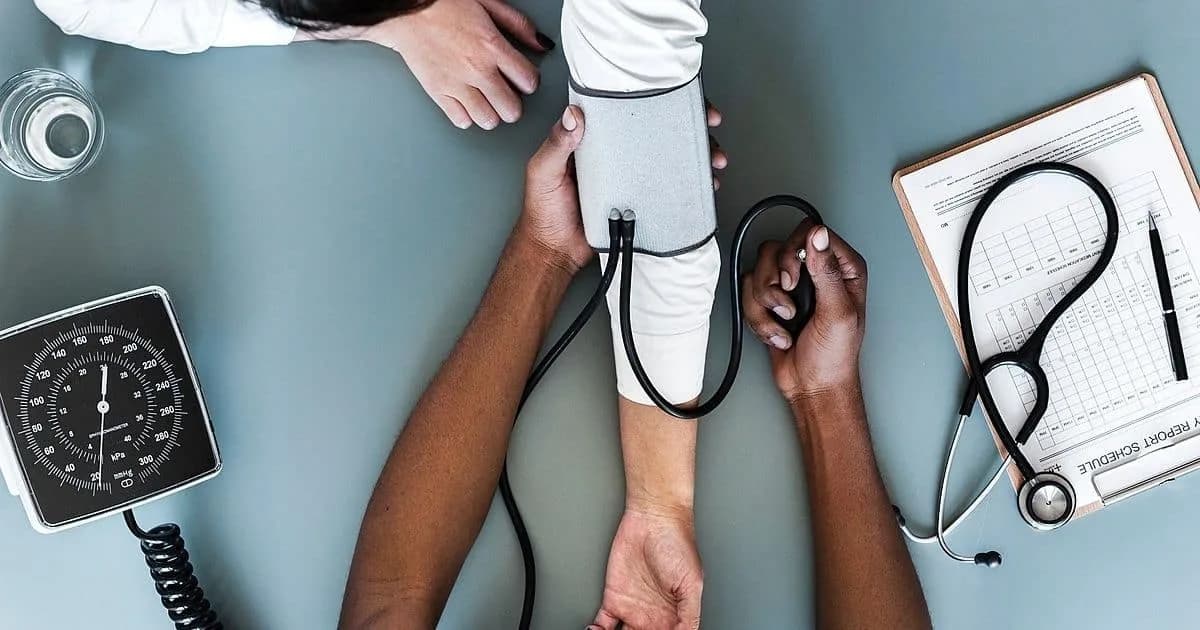
Testosterone and Blood Pressure: Is There a Link?
Get this: men with lower levels of testosterone have seen an improvement in their blood pressure levels after TRT therapy.
So, what is the link between testosterone and blood pressure?
We're glad that you asked. At this time, studying the connection between the two is still an intricate subject. But when it comes to testosterone and high blood pressure, here is everything that you need to know!
Testosterone and Heart Health
First things first, testosterone is a male hormone that is responsible for many things, including the following:
Increasing muscle mass
Developing a deeper voice
Maintaining strong bones
Let's dive into it. In case you didn't know, testosterone boosts red blood cell production via your bone marrow. Besides this, testosterone controls mood and overall health in males.
As the primary male hormone, testosterone is also known as an androgen, which is Greek for "man-maker." This androgen has a massive effect on male organs and impacts their metabolism, circulation, and heart health.
But does testosterone raise blood pressure?
Good question. Although there still isn't a direct link between the two, scientists believe that there is a special connection.
Here is what we know for sure: males have much more testosterone than females, meaning they start to develop heart problems about a decade before women do.
Similar to other muscles, heart cells bind to male hormones like testosterone. So, sports athletes who take too much testosterone increase their odds of developing high blood pressure. Abusing testosterone can also harm your cholesterol levels.
However, most of us will never abuse testosterone in a way that impacts our heart health. Consequently, the "testosterone blood pressure" connection is a real issue, but only if you are a star athlete like Lance Armstrong.
For the rest of us, there's basically nothing to worry about!
Does Testosterone Cause High Blood Pressure?
We're not going to lie: the relationship between high blood pressure and testosterone is a complicated one. That is because there are so many different risk factors involved, which include:
Family history
Age
Gender
Cholesterol
Blood sugar
Obesity
Smoking
Exercise
Personality
In addition to this, it is difficult for researchers to determine what a healthy level of testosterone is. Testosterone levels fluctuate throughout the day, and they tend to reach their peak in the morning.
Testosterone travels through your blood in different ways, including on its own. Otherwise, testosterone can travel while attached to protein hormones like globulin or albumin.
That said, prepare for your testosterone levels to start dropping around the age of 40 years old. On the bright side, there are ways to temporarily boost your testosterone too, particularly by exercising.
Conversely, those with higher levels of body fat typically have lower levels of testosterone. On top of that, some male testosterone is converted to what's known as estradiol.
And no, estradiol isn't only linked to female high testosterone levels. In fact, this form of estrogen impacts metabolism and blood vessel functioning in both women and men.
In a nutshell, the relationship between testosterone and heart health is complex. Clearly, there are tons of variables that affect male testosterone and each individual.
For example, doctors have to choose between studying men with healthy hearts or men with unhealthy hearts. Once they finally test to see if testosterone helps your heart health, they will still have to see if it helps the rest of your body as well.
All this to say that there's a lot more research to be done on the subject. Nonetheless, rest assured that it is practically impossible to have toxic levels of this essential male hormone!
How to Know You Have Low Testosterone
Don't know how to tell if you have low testosterone levels?
Fortunately for you, we are here to help. If you need a refresher, testosterone controls everything from weight gain to depression. Nevertheless, men with hypogonadism have trouble maintaining healthy levels of testosterone.
To find out whether or not you have hypogonadism, take a look at a few red flags. For instance, it is not uncommon for low testosterone levels to result in low energy, osteoporosis, and hot flashes in males.
Besides its negative effects on male fertility, low levels of testosterone can also cause symptoms such as:
Decreased body or facial hair
Anemia
Lethargy or fatigue
Muscle loss
Height loss
Other signs that you have low levels of testosterone in your body include sleep disturbances and insomnia, as well as physical changes like a significant increase in body fat.
From sleep apnea to heart health problems, there are endless issues involved with hypogonadism. Yet, there is a bright light at the end of the tunnel: testosterone replacement therapy.
That's not all. At this point, scientists aren't sure how testosterone therapy helps hypogonadism. But it is clear that this treatment both slows down aging and reverses low testosterone levels in men.
As if that's not enough, there are alternative treatments to low testosterone levels as well. Some doctors referred to this prescribe other treatments, such as:
Gels
Topical creams
Patches
Injections
But here's the ultimate catch: If you have a history of heart, liver, or kidney problems, you will have a higher risk of complicating your results due to these diseases.
If that's not the case, then you should be good to go. Once you get the green light from your doctor, relief from low levels of testosterone is right around the corner!
Should I Get Low T Replacement Therapy?
Wondering who should get low testosterone replacement therapy?
The answer is simple. According to the FDA, TRT therapy should be a priority for men who have low levels of testosterone in their bodies. This can be caused by several factors, including pituitary gland problems.
Plus, normal aging results in lower levels of testosterone too. Of course, this doesn't necessarily mean that there's something wrong with your body. However, if you are suffering from the effects of low testosterone, ask your doctor about TRT therapy.
But wait - there's more.
TRT therapy can even be prescribed to men who don't have the levels of testosterone but want to boost their overall performance. Also, researchers have shown that heart problems might be linked to low levels of testosterone. Nobody wants that, right?
Check this out: Scientists have also proven that there is a connection between heart problems and low serum testosterone. Despite the need for more studies, new research has shown that males who undergo TRT therapy have not had an increase in their chance of developing heart issues.
To put it simply, it's not testosterone replacement therapy that's connected to men's heart issues. Instead, it's low testosterone levels that may be impacting a male's heart health. So, those of hypogonadism have higher odds of developing heart problems in general.
Since everyone's body is different, there are still some individual risks associated with TRT therapy. Thus, we highly encourage you to talk with your physician about your risk level before you sign up for your first treatment.
Benefits of Testosterone Replacement Therapy
One of the main benefits of testosterone replacement therapy is maintaining healthy blood and a healthy heart. Yes, you read that right. Since your heart pumps blood throughout your body, it spreads oxygen to your organs and muscles.
As testosterone travels throughout your bloodstream, it promotes red blood cell production. Since low testosterone is connected to heart risks, TRT therapy can help you prevent these symptoms.
In addition, science has shown that testosterone replacement therapy can even widen arteries in men. Once your testosterone levels reach their peak, you have way lower odds of experiencing heart problems in the future too.
For those of you who are unaware, testosterone promotes muscle growth. Besides, lean body mass comes with some perks, including increased energy and controlled weight.
Here is the best part: Men with lower levels of testosterone have lost weight and gained muscles after TRT therapy.
Pro tip: the quickest way to see results is if you combine TRT therapy with exercise and strength training.
Want to strengthen your bones? If yes, you might want to try testosterone replacement therapy. Not only does testosterone toughen up your bones, but it also decreases your risk of osteoporosis. It gets better.
Healthy bones stabilize your internal organs and your muscles, leading to improved performance. As long as your testosterone treatment dosage is high enough, you should see your bone density increase in no time. Testosterone replacement therapy can also improve bone mineral density in your hip bones and spinal cord.
Additionally, TRT therapy can improve mathematical reasoning, spatial abilities, and verbal memory. From faster processing to better thinking abilities, there's no harm in increasing your testosterone levels if you see fit.
Imagine this: Even men as old as 70 have had improvements in their spatial memory post-treatment!
Risks of Prescription Testosterone Therapy
Before we close our article, we would like to discuss the risks of prescription testosterone therapy in men. By that, we are referring to alternative treatment forms like injections, skin patches, and gels. No matter which one you choose, each has its own side effects.
For example, testosterone patches can make your skin itch. Additionally, muscular injections can create mood swings in males. And if you choose the testosterone gel, our word of advice is to avoid sharing it with others.
Prescription forms of testosterone therapy can result in increased urination and fluid retention, not to mention bigger acne problems.
It can also lead to breast enlargement and reproductive health issues in males. As a matter of fact, it can even worsen the impact of sleep apnea in elderly adults.
Are you thinking about trying out testosterone replacement therapy?
First of all, congratulations. This is a great solution if you are a man who constantly suffers from low levels of testosterone. Make sure that your doctor gives you a blood test to see if your testosterone levels are impacting your general health.
That doesn't mean that you can skip out on regular exercise and a healthy diet. Rather, it's best to combine your testosterone replacement therapy with both for optimal results. Don't forget to schedule follow-up monitoring appointments either.
While you are waiting for your first TRT therapy session, there are a handful of ways to boost your testosterone in the meantime. For instance, particular herbs, vitamins, and other foods can increase your natural levels of testosterone as well.
Even though these methods aren't shown to be as efficient as TRT therapy, they are a wonderful companion to your treatment journey. For instance, we recommend eating more garlic, tuna, oysters, and egg yolk for an instant testosterone boost!
Understanding Testosterone and Blood Pressure
Need a hand understanding the relationship between testosterone and blood pressure?
We can show you the way.
Since low levels of testosterone are connected to poor heart health, TRT therapy can possibly reverse these effects. By increasing the amount of testosterone in your body, you can widen arteries and reduce cardiovascular problems at the same time.
Still not convinced?
Consider this: While TRT therapy has limited side effects, there are a bunch of risks associated with other testosterone treatments. This includes symptoms such as increased urination, fluid retention, and acne problems.
In the end, the decision is easy. For those who want all of the benefits and less of the side effects, there is no better treatment than testosterone replacement therapy.
Interested in receiving testosterone replacement therapy?
If so, click here to schedule an appointment now!
Stop guessing. Get tested.
A comprehensive blood panel and physician review is the first step toward feeling like yourself again.
Related Articles
 October 12, 20204 MIN READ
HIIT Workouts that Boost Testosterone Levels
Read more August 14, 20209 MIN READ
7 Signs of High Testosterone in a Man
Read more March 16, 20209 MIN READ
Keto Diet and Testosterone: What's the Connection Between the Two?
Read more March 9, 20209 MIN READ
Will Testosterone Help Me Lose Weight? Here's the Truth of the Matter
Read more